
Creative Ways to Use Leftover Materials in Your Projects

In the world of crafting, leftover materials can often be seen as mere scraps, but at Craft Berry, we believe they hold immense potential for creativity and innovation. Whether you’re a seasoned crafter or just starting out, finding ways to utilize leftover materials can not only save you money but also enhance your projects with unique touches. Here’s how you can creatively use those leftover materials in your crafting endeavors.
**1. Knitting and Crocheting Classes**: One of the most rewarding aspects of knitting and crocheting is the ability to create beautiful items from leftover yarn. Instead of letting those small skeins gather dust, consider using them to make patchwork blankets or colorful scarves. You can also teach your children or friends how to knit small items like coasters or keychains, turning leftover yarn into fun learning experiences.
**2. DIY Candle Making**: If you have leftover wax from previous candle-making projects, don’t throw it away! Melt it down and mix it with new scents or colors to create unique candles. You can also use leftover containers, such as jars or teacups, to give your candles a distinctive look. This not only reduces waste but also allows you to create personalized gifts for friends and family.
**3. Jewelry Design Workshops**: Leftover beads, wires, and clasps can be transformed into stunning jewelry pieces. Organize a jewelry-making workshop where participants can bring their leftover materials and learn how to create new designs. This not only fosters creativity but also builds a sense of community among crafters. Encourage participants to think outside the box and combine different materials for unique results.
**4. Custom Woodworking**: In woodworking, leftover pieces of wood can be used to create small projects like birdhouses, picture frames, or even decorative coasters. These projects can be great for beginners looking to practice their skills without the pressure of larger builds. Additionally, using leftover wood is an environmentally friendly choice that promotes sustainability in your crafting.
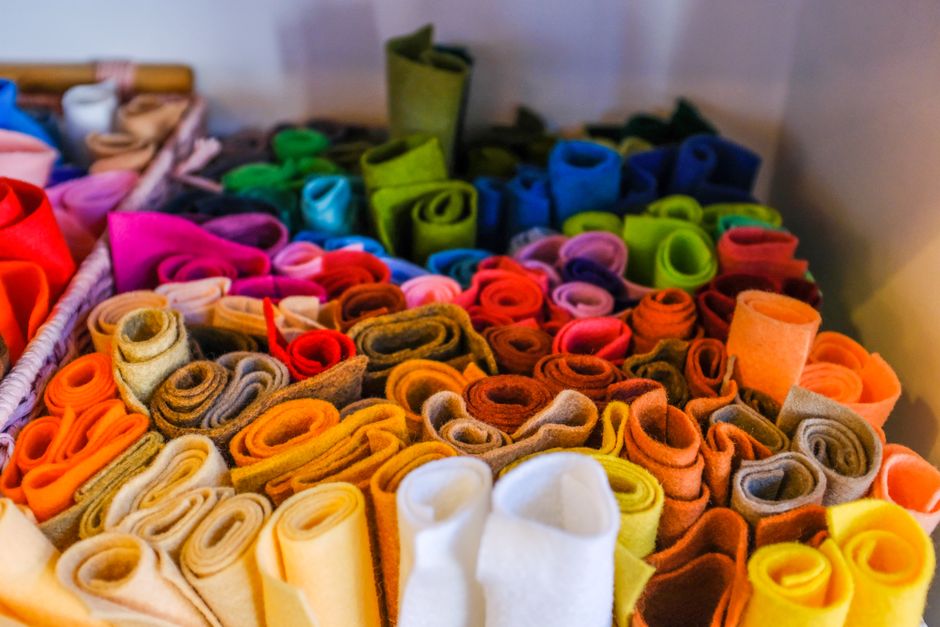
**5. Quilting and Sewing Services**: Fabric scraps from previous sewing projects can be pieced together to create beautiful quilts or patchwork bags. This not only gives new life to leftover materials but also allows you to experiment with different patterns and colors. Consider hosting a quilting bee where participants can share their scraps and collaborate on larger projects.
**6. Artisan Soap Crafting**: If you have leftover soap bases or fragrance oils, they can be combined to create unique soap bars. Encourage creativity by experimenting with different molds and additives like dried flowers or herbs. This is a fun way to make personalized gifts or even start a small business selling your handmade soaps.
**7. Handmade Pottery**: In pottery, leftover clay can be used to create small decorative items or practice pieces. Encourage students in your pottery classes to use their leftover clay creatively, perhaps by making small sculptures or beads. This not only helps them refine their skills but also reduces waste in the studio.
**Checklist:** Gather your leftover materials, brainstorm project ideas, and set aside time each week to create something new.
By embracing the potential of leftover materials, you can not only enhance your crafting skills but also contribute to a more sustainable crafting community. At Craft Berry, we offer a variety of classes and workshops that encourage creativity and resourcefulness. Join us today and discover the endless possibilities that await you in the world of crafting!